

Foot and ankle specialist
Dr Meghan Dares
Particular expertise in minimally invasive bunion correction, forefoot deformity, instability, Achilles and tendon conditions, and sporting injuries.
View Dr Dares' profile →Foot and ankle
Care for bunions and toe deformity, arthritis, ankle replacement, tendon and heel conditions, instability, sprains and fractures, with two foot and ankle specialists working alongside podiatry, imaging and rehabilitation.
A referral is generally required for an orthopaedic appointment. Podiatry, physiotherapy and exercise physiology can generally be booked directly.

How the pathway can work
Start with a referred specialist appointment, direct allied health booking or the Fracture and Injury Clinic. The options below explain where to begin.
Orthopaedic assessment for diagnosis and a clear explanation of the problem, covering non-operative management and surgery such as bunion correction or ankle replacement where it is warranted. A current referral is generally required.
Direct assessment of foot and lower-limb pain, biomechanics, pressure, footwear and orthotic needs.
Explore podiatry →Movement, strength, symptom management and rehabilitation for non-operative and surgical pathways.
Explore physiotherapy →Whichever way you start, on-site X-ray and ultrasound, exercise rehabilitation and nursing care connect to the same plan rather than being a separate referral.
Specialist depth for decisions that need it
The relevant surgeon is matched to the condition, treatment question and required area of subspecialty expertise.
Foot and ankle specialist
Particular expertise in minimally invasive bunion correction, forefoot deformity, instability, Achilles and tendon conditions, and sporting injuries.
View Dr Dares' profile →Foot and ankle specialist
Particular expertise in ankle replacement, arthritis, complex deformity, Achilles and tendon conditions, trauma and limb reconstruction.
View Dr Anjum's profile →Conditions and treatment pathways
Full assessment of pain, alignment and footwear tolerance, with non-operative, minimally invasive and surgical options where appropriate.
Care for advanced arthritis, including activity modification, injections, fusion or ankle replacement for selected patients.
Podiatry, physiotherapy, injections, shockwave and laser therapy, with further assessment when symptoms persist or the diagnosis is uncertain.
Acute rupture, tendinopathy and other tendon disorders managed through rehabilitation, injections or surgery when required.
Ligament injury, recurrent giving way, cartilage damage and return-to-sport planning.
Assessment of alignment, pain, gait and joint health, with coordinated surgical or non-surgical care.
Prompt assessment, imaging, immobilisation, surgical decisions and structured rehabilitation for suitable injuries.
Treatment options matched to pain, footwear, activity goals and the joints involved.
Wrap-around care, on site
Foot and ankle problems usually need more than one set of hands. Podiatry, imaging and specialist review sit in the same building, so biomechanics, orthoses, a scan and a surgical opinion can be brought together rather than chased separately.
 Steffan EvansPodiatrist
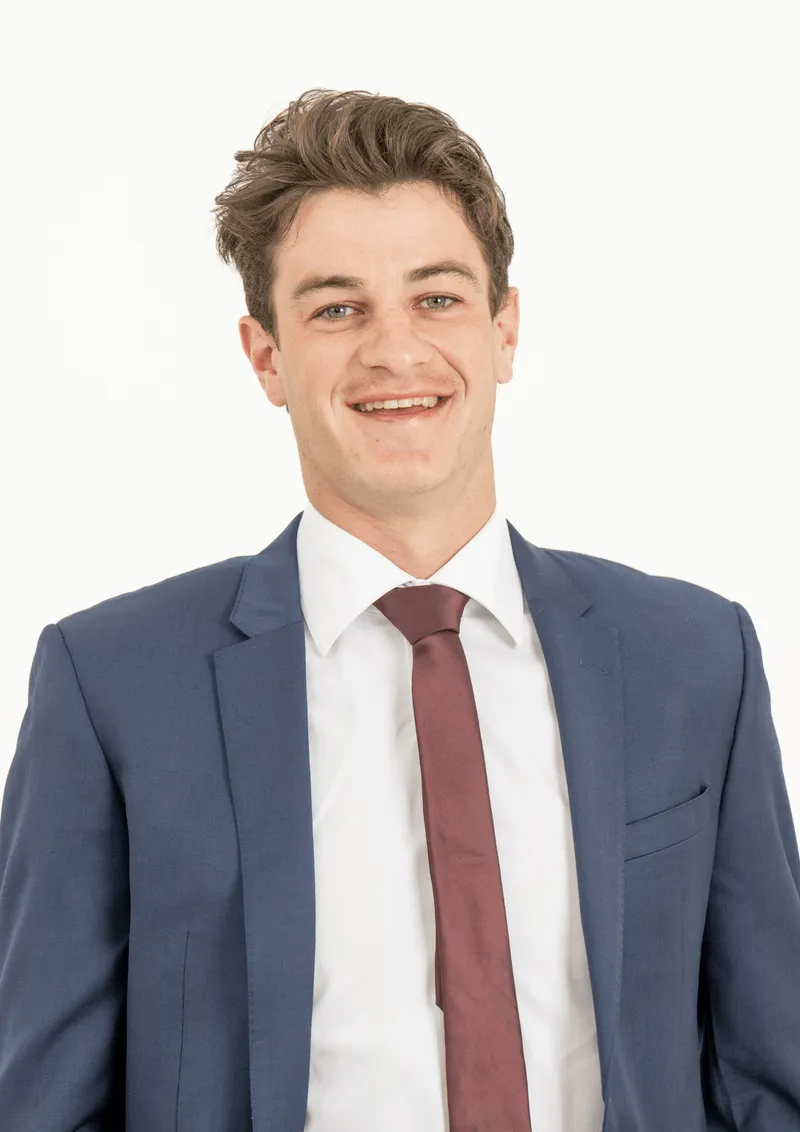 Thomas VelliosPodiatrist
 Mikayla MoranMSK Sonographer
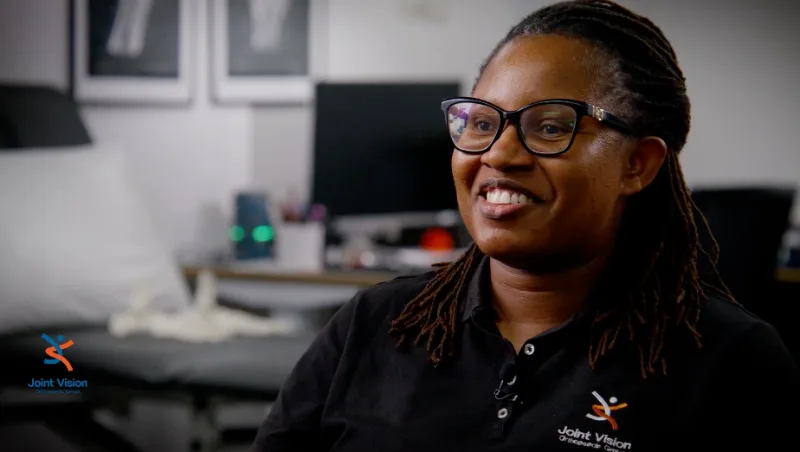 Brenda MavundukureRadiographer
On-site X-ray and musculoskeletal ultrasound sit alongside podiatry and specialist review in one pathway. See the full team or read more about imaging and investigations.
One plan
Clinical assessment considers alignment, movement, footwear, load and the patient's goals.
X-ray, ultrasound, pressure assessment or other investigations are used when they inform the plan.
Footwear, orthoses, rehabilitation, injections or surgery are considered in context.
Podiatry, physiotherapy, exercise rehabilitation, nursing and follow-up support recovery.
Your next step
If you are unsure where to start, call the patient services team on (02) 4250 4500.