
Chronic back or neck pain
Symptoms affecting work, sleep, movement or participation despite time and initial treatment.
Chronic and complex pain
A coordinated pathway for chronic and complex spine, joint and musculoskeletal pain, connecting pain and rehabilitation medicine with physiotherapy, exercise, imaging and relevant orthopaedic input.
The right starting point depends on the symptoms, duration, prior treatment and referral status. The patient services team can help direct the first appointment.
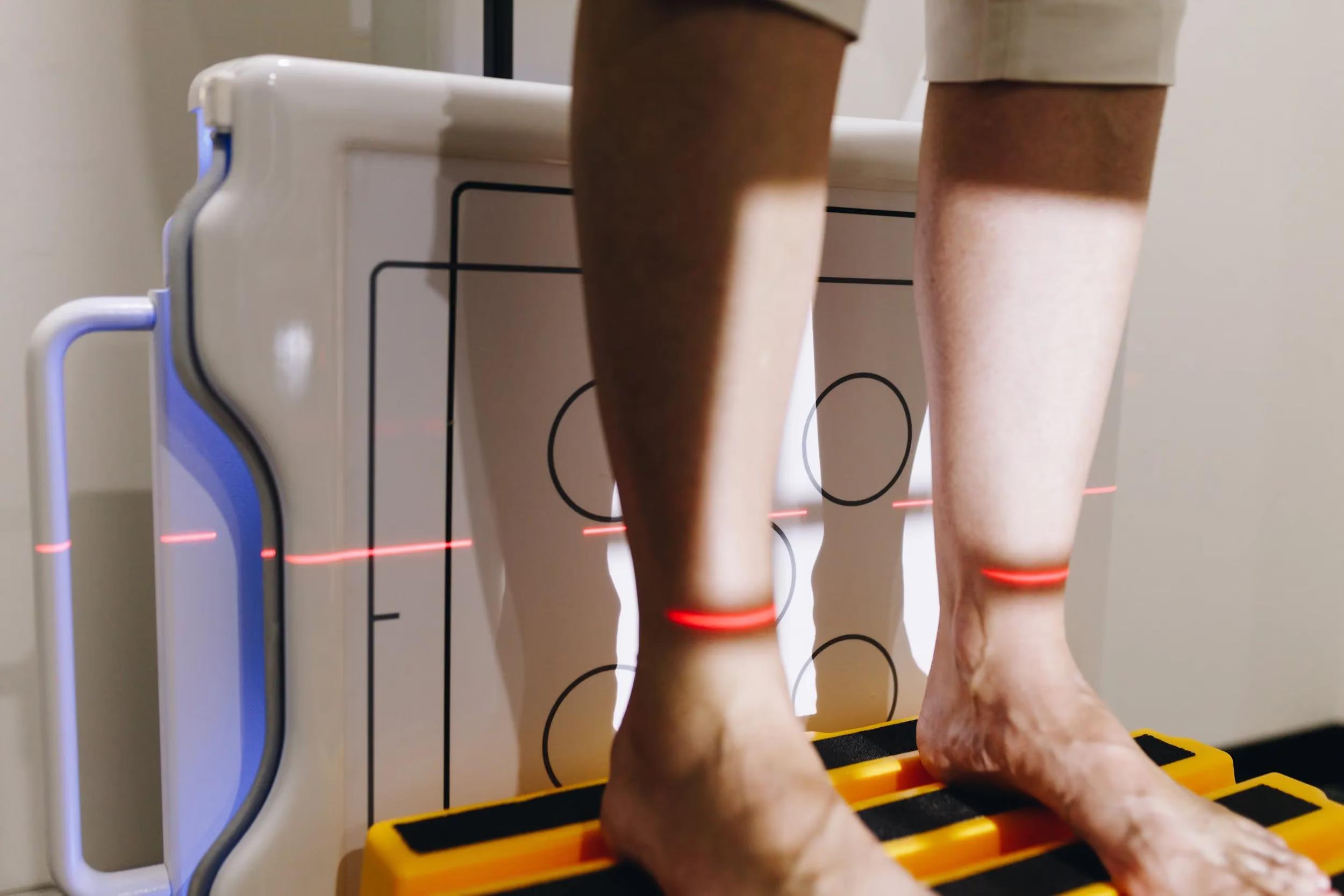
How the pathway can work
Chronic pain rarely settles with a single intervention. The pathway can bring together medical assessment, movement, pacing, strength, imaging and procedural options around meaningful function.
A patient with chronic back or joint pain may begin with physiotherapy or exercise physiology. Pain and rehabilitation medicine can be added when symptoms remain limiting, medication or diagnostic questions need review, or a procedure is being considered. Orthopaedic input is connected when a structural or surgical question becomes relevant.
Specialist assessment of chronic pain, function, medication, diagnostic questions and selected procedures.
Explore pain medicine →Direct assessment, education, symptom management and gradual restoration of movement and confidence.
Explore physiotherapy →Individualised programs build tolerance, strength and capacity around health conditions and everyday goals.
Explore exercise physiology →Whichever way you start, on-site X-ray and ultrasound, exercise rehabilitation and nursing care connect to the same plan rather than being a separate referral.

Medical expertise within a wider pathway
Dr Manohar contributes specialist pain and rehabilitation medicine assessment where ongoing symptoms, functional limitation, medication, procedures or complex clinical questions require medical input.
View the Chronic and Complex Pain team →Problems we may help assess
Symptoms affecting work, sleep, movement or participation despite time and initial treatment.
Pain that may involve arthritis, previous injury, sensitivity, reduced capacity or several contributing factors.
Symptoms that continue beyond the expected early recovery period or restrict meaningful rehabilitation.
Fear of movement, deconditioning or uncertainty about how to restart activity safely.
Medical review where medication, side effects, interactions or a broader treatment plan require consideration.
Ongoing symptoms where the next useful assessment or investigation is unclear.
A structured plan to rebuild capacity for employment, caregiving, exercise or everyday life.
Care that considers medical, physical, behavioural and contextual contributors without reducing the problem to one structure.
One coordinated plan
Assessment identifies the factors most relevant to symptoms, function and goals.
The team agrees on useful first steps rather than adding disconnected treatments.
Medical, imaging, procedural or orthopaedic input is included when it can answer a clear question.
Recovery is considered through participation, tolerance, confidence and the activities that matter.
Your next step
The patient services team can help clarify whether a medical specialist or allied health appointment is more appropriate.