
Nutrition & health
Why Most Diets Fail … And What You Should Do Instead
Joint Vision dietitian Sally Livock explains why restrictive diets rarely last, and how sustainable nutrition and lifestyle habits support long-term health.
Back to Insights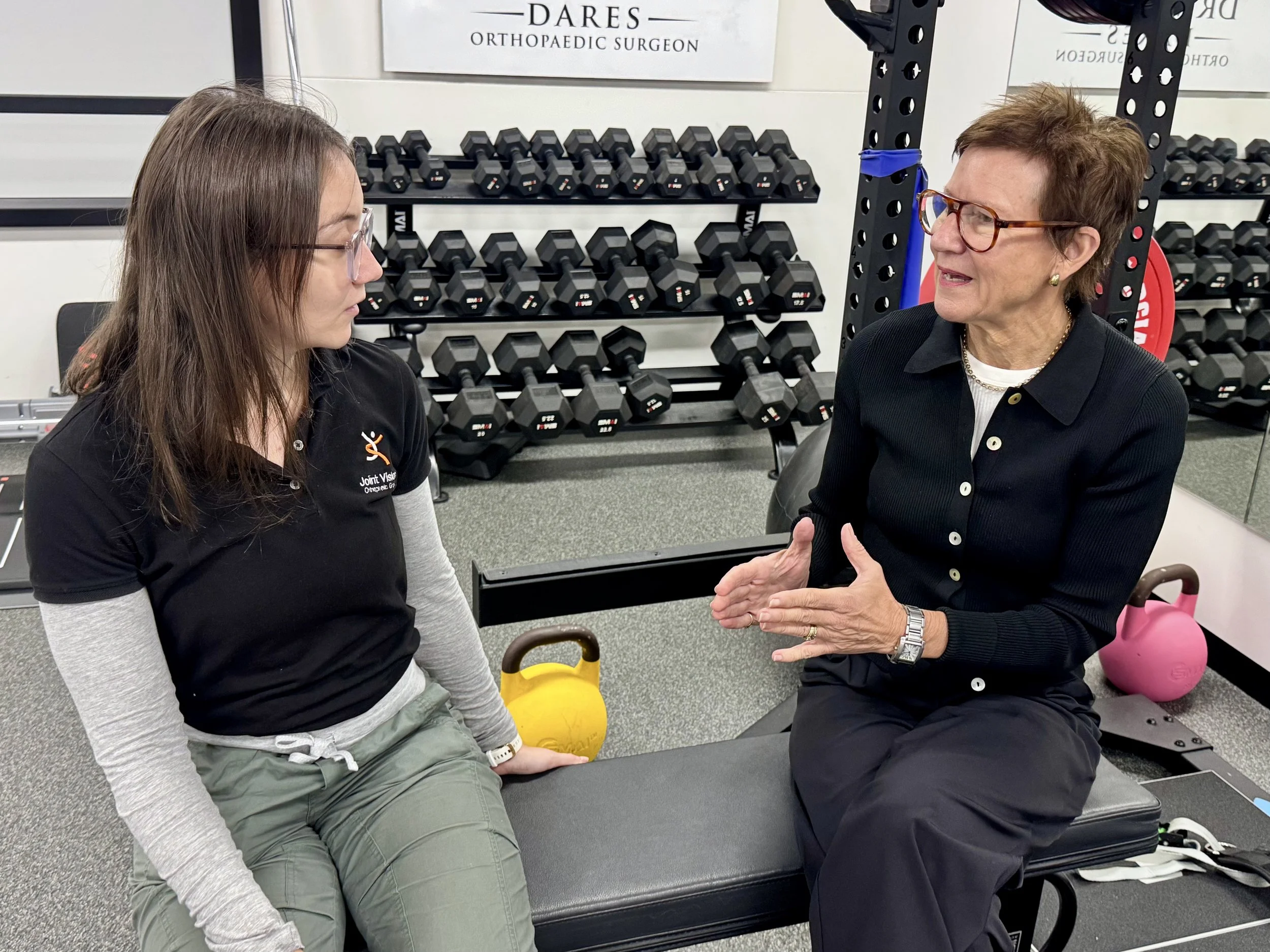
August 19, 2026
Written by
Joint Vision
If you've ever lost weight on a diet only to find yourself back where you started a few months later, you're certainly not alone.
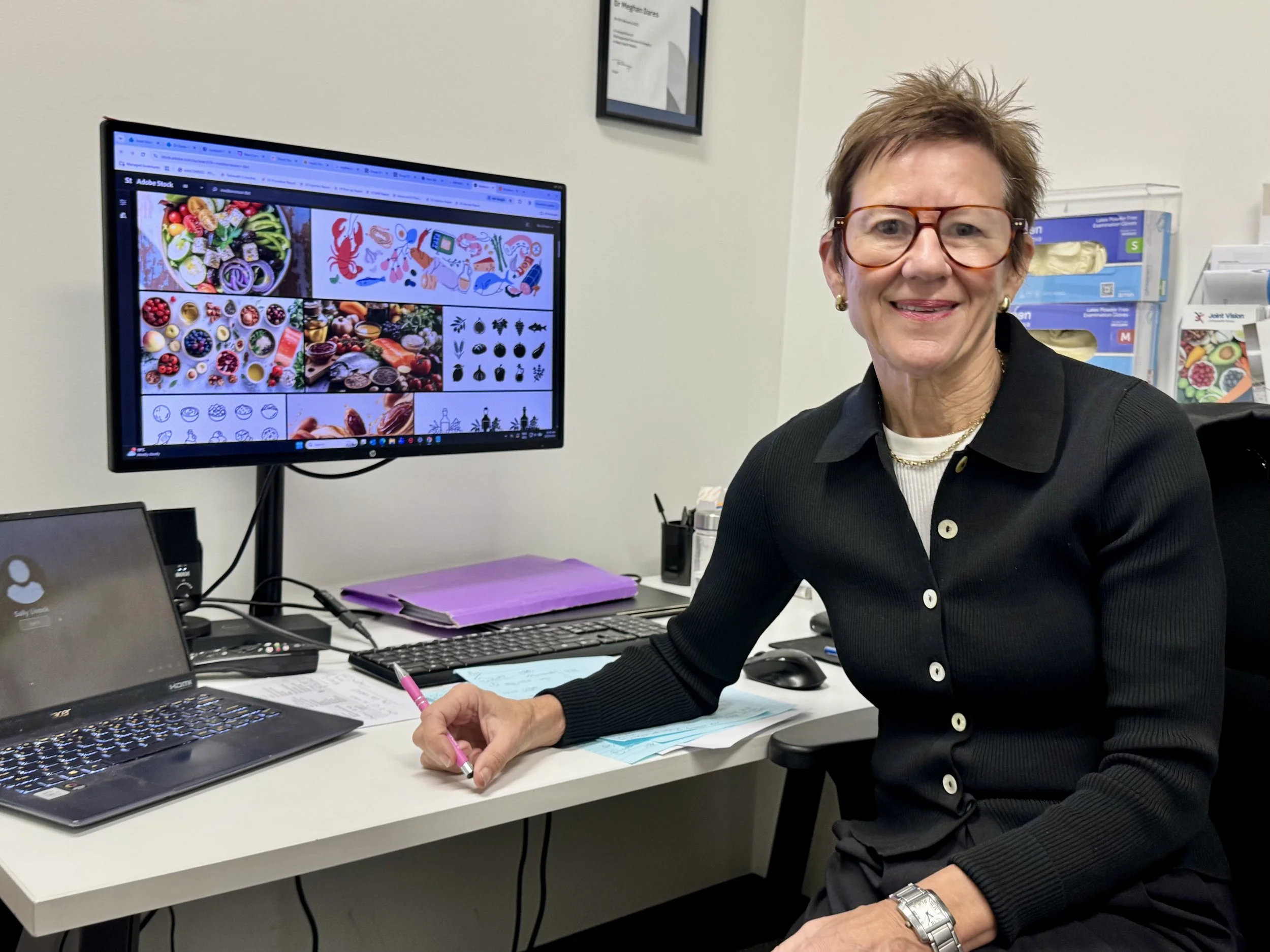
For Joint Vision Accredited Practising Dietitian Sally Livock, it's one of the most common frustrations she hears from patients.
After more than 30 years as a dietitian, Sally has seen countless people cycle through restrictive eating plans, quick-fix programs and the latest health trends, often with the same outcome.
"The problem with diets is that they're usually temporary," Sally says.
"You go on them, you go off them, and then you go back to what you were doing before."
And that's where the problem begins.
The Real Problem With Diets
Many diets focus on rules, restrictions and short-term results.
Cut the carbs. Skip the meals. Eliminate entire food groups. Follow the plan perfectly.
For a while, people may see results. But eventually, life gets in the way.
"The reality is that most diets are built around deprivation," Sally says. "People feel like they're constantly being told what they can't have."
When the diet ends, people can return to their old habits because those habits were never addressed in the first place.
"You have to change your normal," Sally says. "If your normal isn't working, you can't keep coming back to it and expect a different result."
It's Not About Perfection — Or Just The Scales
One of the biggest misconceptions about healthy eating is that it has to be strict. Sally takes a very different approach.
When patients come to see her, the conversation isn't about creating a perfect diet or simply chasing a number on the scales.
"I try to focus on health and lifestyle goals as much as weight goals," Sally says. "That means taking some of the focus off the scales and looking at things like improving energy levels, feeling less brain fog, avoiding that collapse at 3pm, or walking as a form of stress relief rather than simply as a way to burn calories."
It's about understanding what someone is currently doing and identifying realistic changes they can sustain long term.
"I don't sit there and hand someone a prescription and tell them what to do," she says. "It's about understanding their goals, their lifestyle and what's actually achievable for them."
For one person, that might mean increasing their protein intake. For another, it could be eating more regularly throughout the day. For someone else, it might simply mean drinking more water or taking a daily walk.
The best changes are not necessarily the biggest ones. They're the ones that stick.
Why Willpower Isn't Enough
Many people blame themselves when a diet doesn't work. They think they lacked discipline. They think they weren't motivated enough.
But the reality is far more complex. Food is deeply connected to emotions, habits, routines and everyday life.
"It's not just about food," Sally says. "It's about behaviours, mindset and understanding why you're making certain choices."
Stress, fatigue, boredom and emotional challenges can all influence eating habits. That's why lasting change often requires more than simply knowing which foods are healthy. It requires understanding the behaviours behind our choices and finding healthier habits that work in the real world.
Focus On Building Foundations
Rather than chasing the latest trend, Sally encourages patients to focus on building strong foundations for their health. Those foundations can include:
- Eating enough protein
- Getting adequate fibre
- Staying hydrated
- Moving regularly
- Eating in a way that supports energy throughout the day
- Building habits that fit everyday life
It's a simple approach, but importantly, it's designed to be sustainable.
"We're not looking for something you can do for six weeks," Sally says. "We're looking for something you can do for the rest of your life."
The Goal Is Bigger Than Weight Loss
For Sally, success isn't defined solely by a number on the scales. It's about improving health, energy, confidence, strength and quality of life. It's about creating habits that support long-term wellbeing. And it's about moving away from the cycle of constantly feeling like you need to start again.
"There is no magic diet," Sally says. "There is no quick fix. But if you focus on changing your normal and building strong foundations, that's where real change happens."
Because the most successful approach to health isn't the one you can stick to for a month. It's the one that can become part of your life.
Information on this website is general and may not apply to your circumstances. It does not replace individual clinical advice. If you have a health concern, use the relevant care pathway or speak with a qualified health professional. Seek urgent help for severe or rapidly worsening symptoms or a possible emergency.
What to do next