Healthy ageing
The Hidden Risk of Living Longer: Why Healthspan Matters
We are living longer than ever, but not necessarily better. Dr Meghan Dares on the widening gap between lifespan and healthspan, and why protecting movement matters.
Back to Insights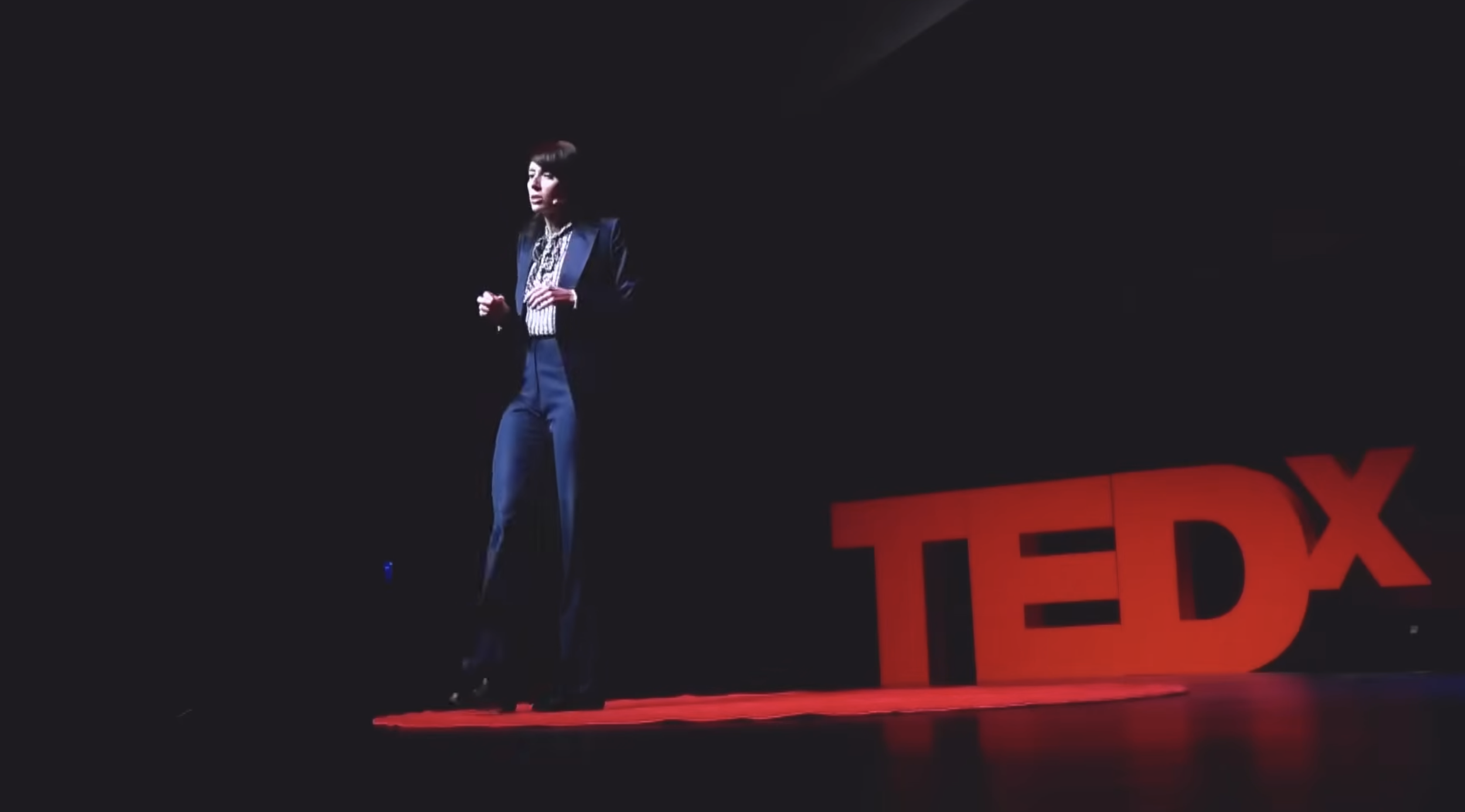
August 3, 2026
Written by
Joint Vision
This article expands on the ideas explored by Dr Meghan Dares in her TEDxWollongong 2026 talk, recently selected as a TEDx Editor's Pick, examining the relationship between movement, ageing and healthspan.
We are living longer than at any other time in human history. A child born today has a very real chance of living into their 90s — perhaps even to 100.
For generations, extending life expectancy has been one of medicine's greatest achievements. But a longer life doesn't automatically mean a healthier one.
The challenge facing modern healthcare is no longer simply lifespan. It's healthspan.
Healthspan is the number of years we remain healthy, active and independent, free from chronic disease or significant physical limitation. In Australia, that gap between lifespan and healthspan is widening. While we're adding years to life, many people are spending the final decade or more of those years living with pain, reduced mobility or declining independence.
As an orthopaedic surgeon, I see that gap every day. And more often than not, it begins quietly.
What Is the Healthspan Gap?
Lifespan is measured by how long we live. Healthspan is measured by how well we live.
The difference between the two has become one of the defining health challenges of our ageing population.
Many people assume losing mobility is simply part of getting older. But while ageing is inevitable, losing the ability to move freely isn't always. Protecting movement is one of the most important ways we can protect our healthspan.
The Moment Most People Miss
In clinic, I rarely see decline begin with a catastrophic injury. Instead, it starts with small changes.
A sore heel that stops someone walking as far as they used to. A knee that swells after sport. An Achilles tendon that never quite settles. A bunion that makes certain shoes uncomfortable.
Individually, these problems may seem minor. But gradually, people adapt. The longer walks stop. Sport becomes occasional. Weekend hikes disappear. Dancing becomes something they "used to do."
Not because someone told them to stop. Not because it was impossible. Simply because it became uncomfortable — or easier not to.
And that's where the cycle begins. Less movement leads to reduced strength. Reduced strength places greater stress on joints. Pain increases. Confidence falls. Movement becomes even harder.
The body adapts remarkably well to what we ask of it. Unfortunately, it also adapts to what we stop asking it to do.
Why Movement Matters More Than We Realise
Movement is often thought of as exercise. In reality, it's something much more fundamental.
Movement is what allows us to remain independent. It allows us to climb stairs without thinking, carry groceries, travel confidently, play with grandchildren, enjoy holidays, garden, work, dance and participate in everyday life.
When movement declines, our world often becomes smaller.
After the age of 40, muscle mass and strength naturally begin to decline unless they're deliberately maintained. Even relatively short periods of inactivity can accelerate that process.
The consequences extend well beyond our joints. Maintaining movement supports cardiovascular health, metabolic health, bone density, balance, confidence and overall wellbeing. In many ways, movement is the foundation that allows everything else to function well.
A Shift in Orthopaedic Care
Orthopaedics has changed significantly over the past two decades.
Traditionally, patients were referred to surgeons only after years of pain, when joints were already significantly damaged and treatment options were limited.
Increasingly, our profession is shifting its focus. The question is no longer simply "Can we fix this?" It's "What can we do today so that in five or ten years you're still able to move the way you want to move?"
Sometimes that means physiotherapy. Sometimes it means strength and rehabilitation. Sometimes injections. Sometimes surgery. Often, it's a combination of approaches working together.
The goal isn't simply to treat pain. It's to preserve movement before people reach crisis point.
When Movement Disappears
Recently, one of my patients came to see me because she could no longer do something she loved. Dancing in her living room after the kids had gone to sleep.
It may sound trivial. But it represented something much bigger.
When movement disappears from our lives, our world gradually becomes smaller. First it's sport. Then the longer walks. Later, everyday activities become harder.
By the time many people seek help, they're no longer managing a sore joint. They're managing a smaller life.
What people fear most about ageing isn't necessarily getting older. It's losing their independence. Their confidence. Their identity. Their ability to keep doing the things that make life meaningful.
The Reflex We Already Have
Interestingly, we've already learned this lesson in another area of healthcare.
In Australia, we grow up understanding that if a mole changes, we act. If it grows. If it darkens. If it changes shape. We don't wait. We see a doctor because we understand that change can be an early warning sign.
But when our movement changes, we often respond differently. We stop running. We avoid stairs. We park closer. We stop playing sport. We quietly adapt.
Yet declining mobility can be one of the earliest indicators that something deserves attention. The earlier we recognise that change, the more opportunities we have to intervene before the cycle accelerates.
Protecting Healthspan
The first thing most of us lose as we age isn't life. It's mobility. And mobility determines how much of life we're able to enjoy.
Perhaps it's time we viewed movement the same way we've learned to view other aspects of preventative health. Not as something optional. But as something worth protecting.
At Joint Vision, that philosophy underpins the way we care for patients. Whether someone ultimately needs rehabilitation, injections, surgery or simply expert advice, our goal is the same: to help people maintain movement for as long as possible.
Because successful orthopaedic care isn't measured only by scans or procedures. It's measured by whether people can continue doing the things that give their lives meaning.
Walking the dog. Travelling. Playing with grandchildren. Working. Playing sport. Or simply dancing barefoot in the living room.
Because when we protect movement, we protect independence. And that may be one of the most important determinants of how well we live the years we are given.
Information on this website is general and may not apply to your circumstances. It does not replace individual clinical advice. If you have a health concern, use the relevant care pathway or speak with a qualified health professional. Seek urgent help for severe or rapidly worsening symptoms or a possible emergency.
What to do next