
Dietetics
Emotional Eating Isn't About Willpower: It's About Understanding Why
Joint Vision dietitian Sally Livock explains why emotional eating happens, what can trigger it and how greater awareness can help build a healthier relationship with food.
Back to Insights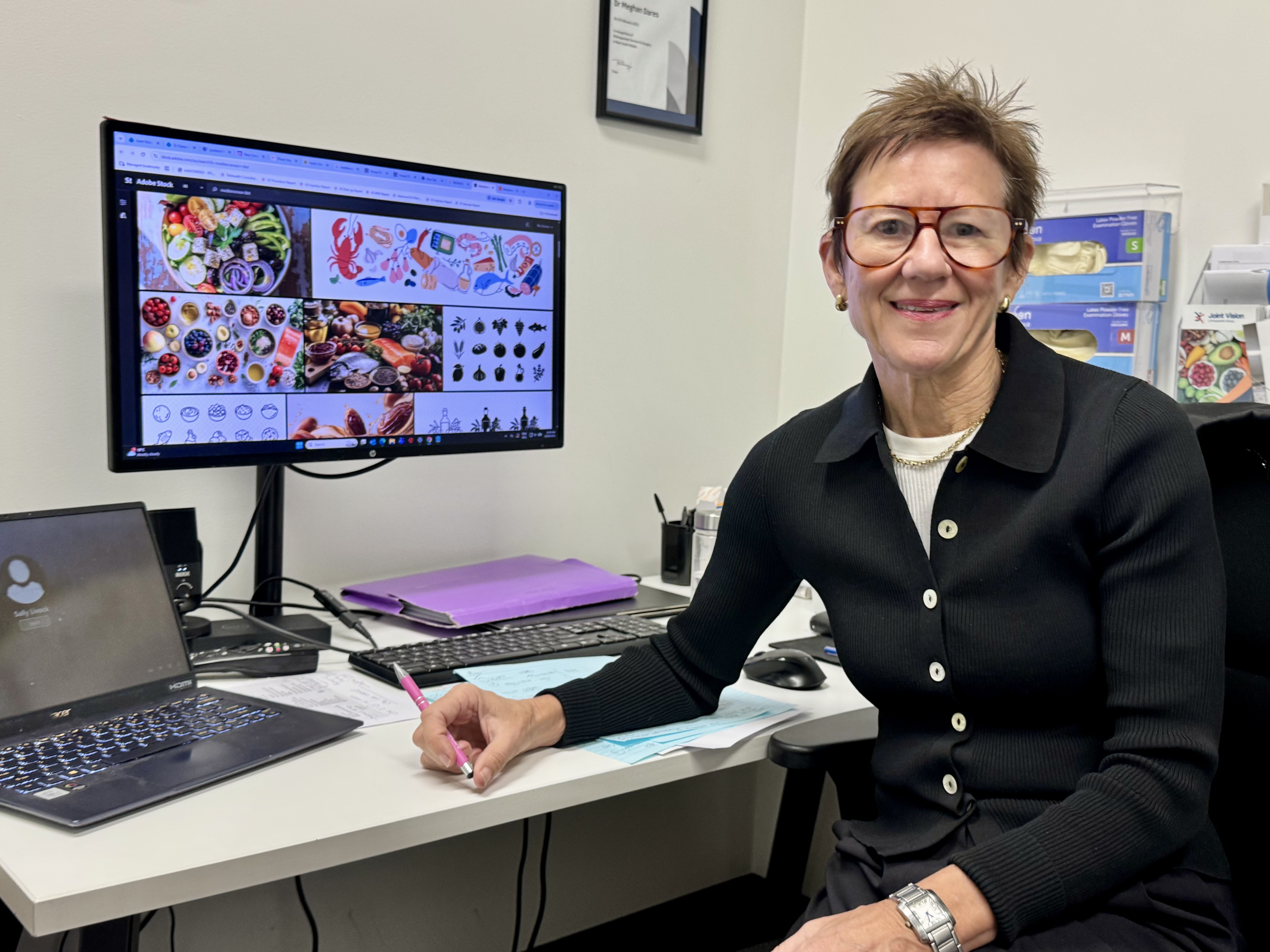
September 22, 2026
Written by
Joint Vision
Most people have experienced it.
A stressful day at work.
A difficult conversation.
A busy week.
A moment of exhaustion.
And suddenly the chocolate, chips, takeaway or glass of wine seem far more appealing than they did an hour earlier.
For many people, these moments can trigger feelings of guilt or frustration.
They tell themselves they lack willpower.
They think they've failed.
But according to Joint Vision dietitian Sally Livock, emotional eating is far more complex than most people realise.
"It's not about weakness," Sally says.
"It's about understanding what's driving the behaviour in the first place."
Food Is More Than Fuel
While nutrition is often discussed in terms of calories, protein and nutrients, Sally says food also plays a significant emotional role in our lives.
Food is connected to celebration.
Comfort.
Family.
Reward.
Stress relief.
Connection.
It's woven into almost every part of our daily routines.
"Food is everywhere," Sally says.
"And for many people, it's become part of how they cope with stress, anxiety, boredom or overwhelm."
That doesn't make someone weak.
It makes them human.
Why We Reach For Food During Stress
One of the most common patterns Sally sees involves people using food as a reward or coping mechanism.
It might be the parent who finally gets five minutes to themselves after a chaotic day.
The professional who reaches for wine after a stressful afternoon.
Or the person who finds comfort in food while dealing with personal challenges.
"People often tell me they're eating because they deserve a reward or because they need some relief," Sally says.
"When we unpack it, that's often what they're really looking for."
The food isn't always the problem.
Sometimes it's simply become the solution people know best.
Awareness Is The First Step
Rather than telling people to stop emotional eating, Sally encourages them to become curious about it.
Why are you reaching for food?
What are you hoping it will give you?
What feeling are you trying to create?
Often, those questions reveal something important.
"You start to realise you're not necessarily hungry," Sally says.
"You might be tired. You might be stressed. You might need a break."
That awareness creates an opportunity to explore different ways of meeting those needs.
Finding Alternatives That Work
One of Sally's favourite strategies is helping people identify alternative ways to achieve the same outcome they're seeking from food.
If someone is looking for relaxation, perhaps it's a quiet walk.
A hot shower.
Time in the garden.
Listening to music.
Reading a book.
A conversation with a friend.
The goal isn't to eliminate enjoyment from food.
It's to build a broader range of coping tools.
"If you're looking for relief, there are often other ways to find it," Sally says.
"It's about expanding your options."
Why Shame Doesn't Help
One of the biggest obstacles to behaviour change is self-criticism.
Many people respond to emotional eating by being incredibly hard on themselves.
They label themselves as lazy.
Undisciplined.
Weak.
But Sally says shame rarely creates positive change.
In fact, it often drives people further into the cycle they're trying to escape.
"If someone feels bad about themselves, they're more likely to keep repeating the behaviour," she says.
"Self-awareness is much more powerful than self-judgment."
Building A Healthier Relationship With Food
For Sally, helping patients improve their health isn't just about telling them what to eat.
It's about helping them understand their relationship with food.
That relationship is influenced by habits, emotions, routines, stress and life circumstances.
The more people understand those influences, the more control they gain over their choices.
"It's not about being perfect," Sally says.
"It's about understanding yourself better."
Because lasting change rarely starts with stricter rules.
It starts with awareness.
And sometimes the most important question isn't:
"What am I eating?"
It's:
"Why am I eating it?"
Want some support with your relationship with food?
Nutrition isn’t just about knowing what to eat. Sometimes it helps to understand the habits, emotions and routines sitting behind our choices.
Joint Vision dietitian Sally Livock works with patients to develop practical, realistic approaches to nutrition that fit their health, lifestyle and goals.
Information on this website is general and may not apply to your circumstances. It does not replace individual clinical advice. If you have a health concern, use the relevant care pathway or speak with a qualified health professional. Seek urgent help for severe or rapidly worsening symptoms or a possible emergency.
What to do next