
Recovery & rehabilitation
When Can You Return to Running After Injury or Surgery?
Exercise Physiologist Caitlin Beatty explains why returning to running is guided by what your body can tolerate rather than a date on the calendar, and how to progress safely.
Back to Insights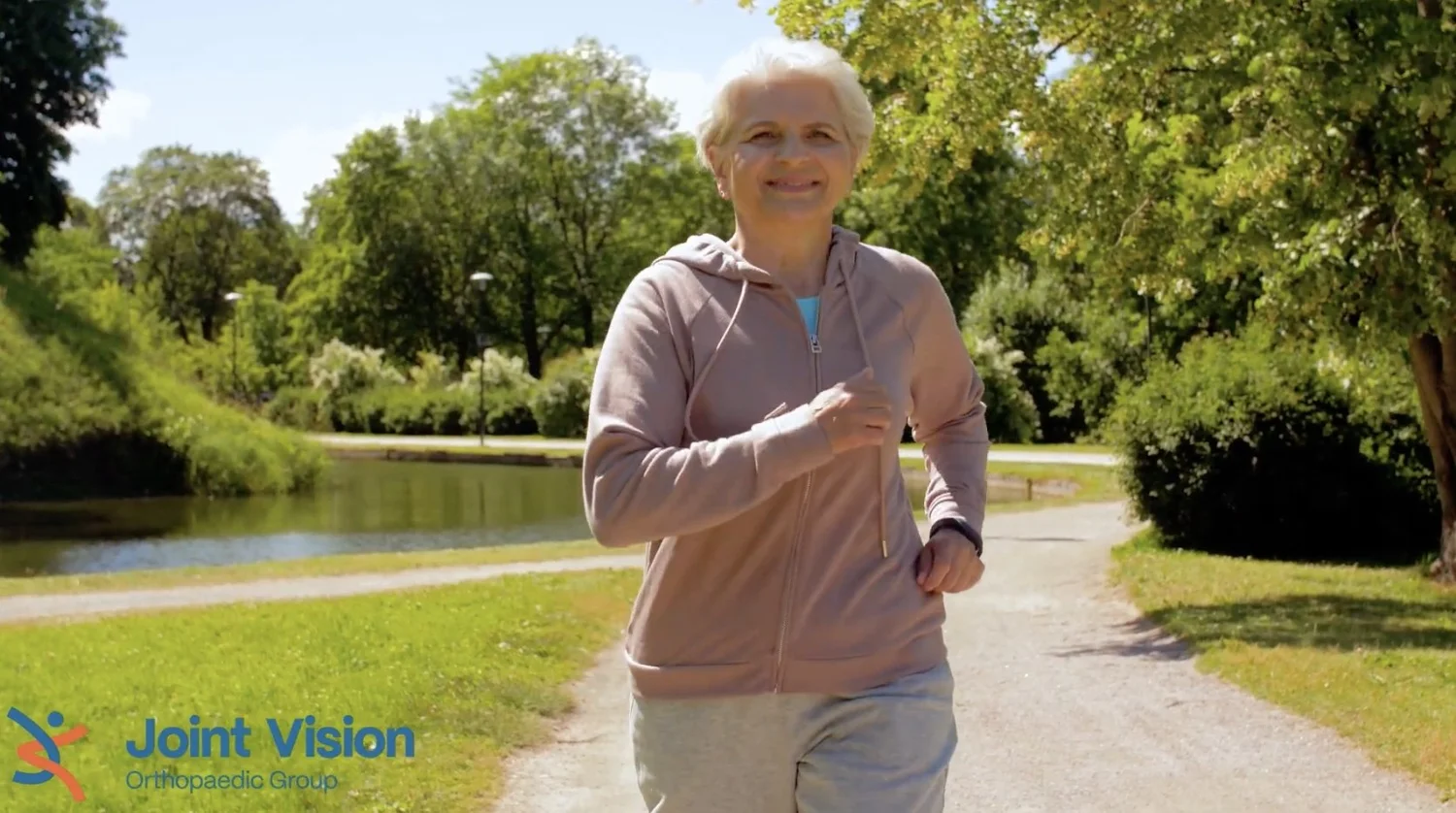
December 16, 2025
Written by
Caitlin Beatty
By Caitlin Beatty, Exercise Physiologist and Research Coordinator.
One of the most common questions I am asked as an Exercise Physiologist is simple but important: when can I return to running?
Whether your rehabilitation follows surgery or non-operative treatment, the answer is not based on a date in the calendar. It is based on what your body can safely tolerate and how well it is coping with load.
Start with walking
Before thinking about running, the first question is whether you can walk comfortably.
As a general guide, you should be able to walk for up to an hour without aches or pain before progressing to running. If walking still causes discomfort, running is likely to overload healing tissue and increase the risk of a setback.
Ease into running gradually
Once walking is comfortable, running should be introduced slowly and progressively. A common and effective approach is:
- One minute jogging and one minute walking, repeated
- Gradually increasing to two minutes on and two minutes off, then three minutes on and three minutes off
The goal is not speed, it is tolerance. As your body adapts you can work toward running continuously for around five minutes without symptoms.
Build endurance before intensity
From there, progression should still be paced. A useful next step is working toward 30 minutes of combined walking and jogging, for example 15 minutes walking and 15 minutes jogging, or alternating intervals that total 30 minutes.
Once you can complete this comfortably, you are usually ready to move beyond a basic return to running and into more demanding activity.
Progress the environment
Early return to running is best done in a predictable environment such as a treadmill or a flat, even surface. These conditions reduce unexpected load and allow better control.
As strength, confidence and tolerance improve, running can progress into:
- Outdoor environments
- Changes of direction
- Uneven surfaces
- Sport-specific or unpredictable movement
This step is especially important for people returning to sport.
Individual guidance matters
Everyone's recovery is different. The type of injury or surgery, strength levels, age and training history all influence how quickly and how safely you can return to running.
If you are unsure where you are at, or running continues to cause discomfort, an exercise physiologist can help guide your progression and reduce the risk of re-injury. You can book an allied health appointment to discuss your own return-to-running plan.
About Caitlin
Caitlin is an Exercise Physiologist and Research Coordinator at Joint Vision. She completed a Bachelor of Exercise Science and a Master of Exercise Physiology at the University of Wollongong, with a clinical focus on post-surgical rehabilitation, chronic disease management and improving functional outcomes.
Information on this website is general and may not apply to your circumstances. It does not replace individual clinical advice. If you have a health concern, use the relevant care pathway or speak with a qualified health professional. Seek urgent help for severe or rapidly worsening symptoms or a possible emergency.
What to do next