

ACL & Meniscus Injuries: Why Early Assessment Can Protect Long-Term Knee Health
Knee injuries are common in sport particularly in active communities like the Illawarra and South Coast.
ACL ruptures and meniscus tears can occur in a single moment, often leaving athletes, parents and weekend warriors unsure about what to do next.
As Dr Anil Goudar explains, early assessment plays a critical role in protecting the long-term health of the knee.
“An ACL injury isn’t necessarily urgent surgery,” Dr Goudar said.
“But what often matters is identifying what else is happening inside the knee — particularly the meniscus.”
ACL Injuries: No Longer Career-Ending
Years ago, an ACL rupture was often seen as the end of an athletic career. Today, that’s no longer the case.
“With modern surgical techniques and structured rehabilitation, most patients can return to their pre-injury activities,” Dr Goudar said.
ACL reconstruction has evolved significantly, with improvements in:
surgical techniques
graft fixation and stability
rehabilitation protocols
“The focus now is not just returning to sport, but returning with a stable, confident knee,” he said.
Why Timing Matters, Especially for the Meniscus
While ACL reconstruction itself can often be planned after rehabilitation begins, associated injuries may require earlier intervention.
“In about 20 to 30 per cent of ACL injuries, there’s also a meniscus tear,” Dr Goudar said.
“And that’s where timing becomes important.”
The meniscus plays a vital role in knee stability and long-term joint health.
“If a meniscus tear is identified early, there’s a higher chance it can be repaired rather than removed,” he said.
“That can significantly delay the onset of arthritis later in life.”
A Shift Toward Repair, Not Removal
Historically, many meniscus injuries were treated by trimming or removing damaged tissue. Today, the approach has changed.
“We now aim to repair the meniscus whenever possible,” Dr Goudar said.
“Although recovery can take longer initially, the long-term benefits for knee health are substantial.”
Modern meniscus repairs are typically performed using keyhole (arthroscopic) techniques, supported by:
advanced instrumentation
biological augmentation, such as platelet-rich plasma (PRP) in selected cases
careful post-operative rehabilitation
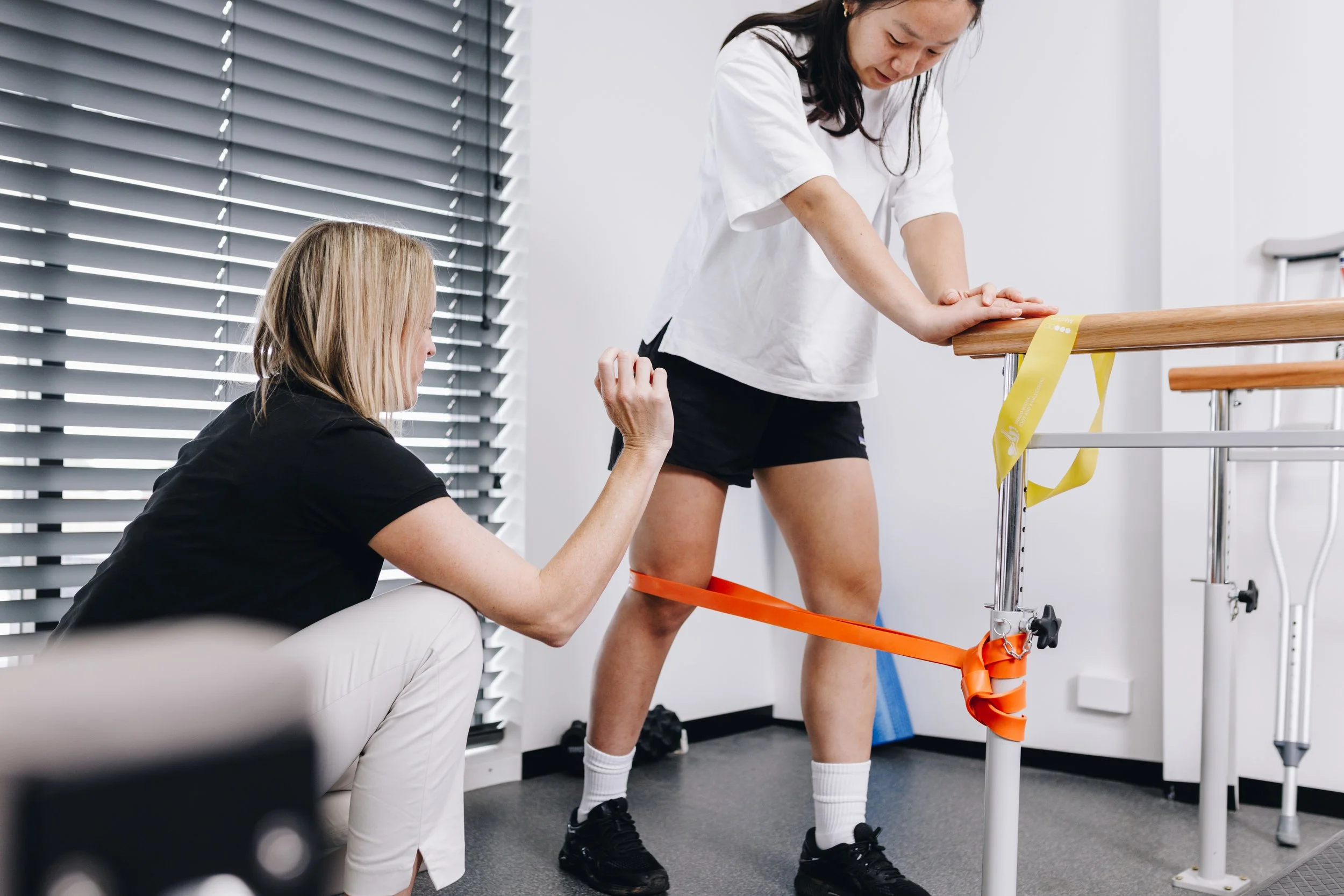
Rehabilitation Starts Early — Even Before Surgery
Another key change in sports knee care is the emphasis on early rehabilitation.
“We often start physiotherapy before surgery,” Dr Goudar said.
“The aim is to reduce swelling, restore movement and build strength.”
This approach, often called prehab, helps prepare the knee for surgery if it’s needed, and supports smoother recovery afterward.
“Even when surgery is planned, preparation makes a big difference,” he said.
When to Seek Specialist Advice
Dr Goudar encourages athletes and active patients not to ignore knee injuries particularly if swelling, instability or locking is present.
“Seeing a specialist early doesn’t mean rushing into surgery,” he said.
“It means understanding the full picture.”
Early assessment can:
clarify the nature of the injury
identify associated damage
guide the timing of rehabilitation and surgery
improve long-term outcomes
Supporting Recovery Through a Team-Based Model
At Joint Vision, sports knee injuries are managed through an integrated care model.
“For patients, that means continuity,” Dr Goudar said.
“They’re supported by surgeons, physiotherapists and allied health professionals working together.”
This team-based approach helps ensure:
rehabilitation is structured and progressive
recovery milestones are monitored
return-to-sport decisions are made safely
Protecting the Knee for the Long Term
For Dr Goudar, the goal of treating ACL and meniscus injuries isn’t just short-term recovery — it’s preserving knee health for decades to come.
“If we can stabilise the knee and protect the meniscus, we can significantly reduce the risk of arthritis later in life,” he said.
If you’ve suffered a knee injury, whether from sport or daily activity, early assessment can help guide the best path forward.
Learn more about knee injury care at Joint Vision or book an appointment today
Dr Anil Goudar is an Orthopaedic Surgeon at Joint Vision Orthopaedic Group, specialising in the treatment of hip and knee conditions. A Fellow of the Royal Australian College of Surgeons and a member of the Australian Orthopaedic Association, he has more than a decade of experience caring for patients across the Illawarra, Shoalhaven and South Coast. Dr Goudar has specialist training in hip and knee joint replacement surgery and experience in bone and soft tissue tumours.