

Meet Dr Jasan Dannaway: Upper Limb Expertise, Rehabilitation Insight and a GP-First Approach
“An orthopaedic surgeon should be the expert in diagnosing and treating musculoskeletal problems — whether that’s surgery or not.”
That philosophy sits at the centre of how Dr Jasan Dannaway practises.
Now consulting and operating as part of the Joint Vision Orthopaedic Group, Dr Dannaway brings specialist expertise across the shoulder, elbow, wrist and hand, with an approach shaped by an uncommon clinical path — first training and practising as a physiotherapist, before going on to medicine and orthopaedic surgery.
It’s a background that informs how he works today: as a musculoskeletal specialist focused on clear diagnosis, appropriate treatment and patient confidence, rather than surgery as a default end point.
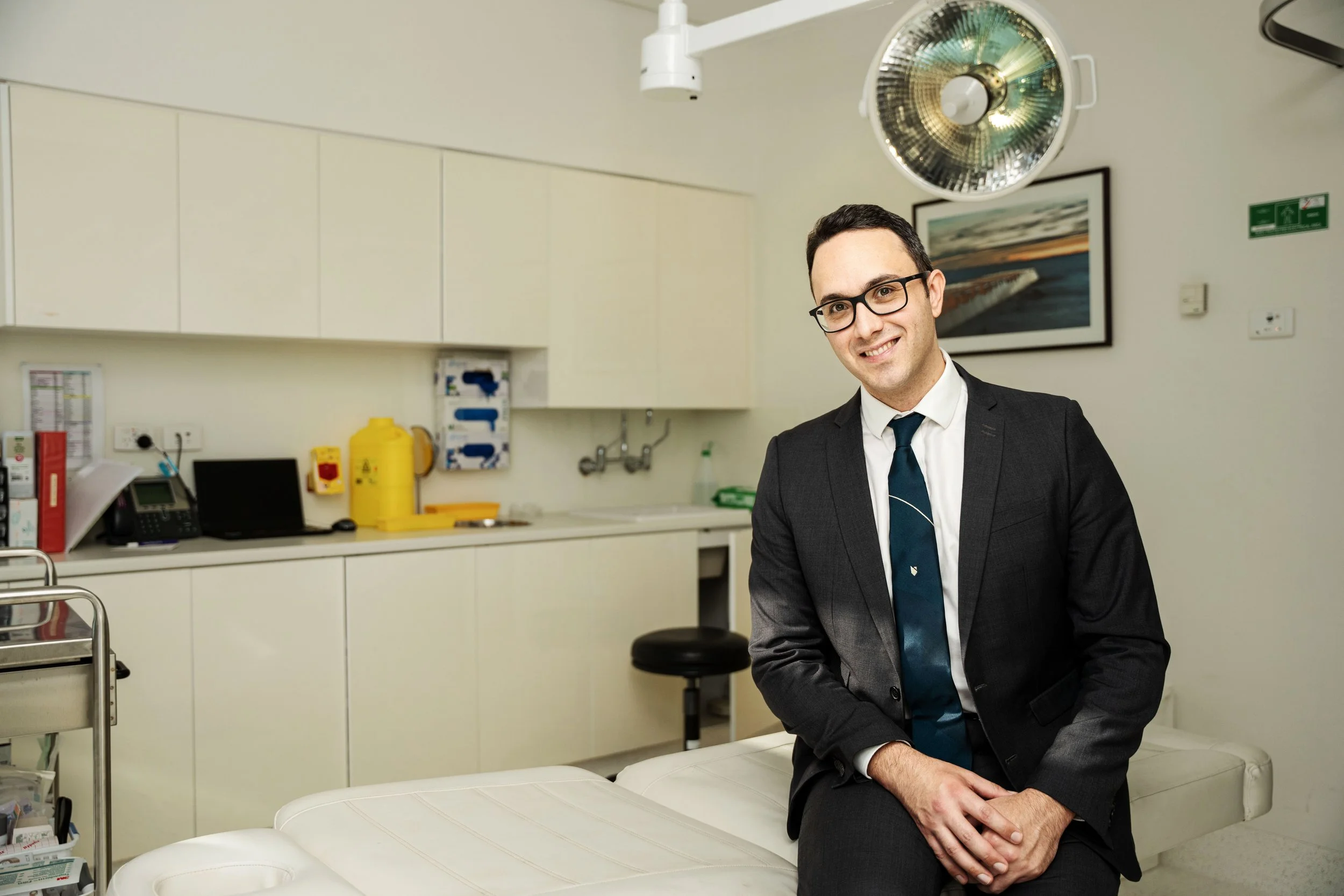
Dr Jasan Dannaway, upper limb orthopaedic surgeon specialising in shoulder, elbow, wrist and hand conditions.
An orthopaedic surgeon should be a musculoskeletal expert
“There’s still a fear in the community that seeing an orthopaedic surgeon means being pushed toward an operation,” Dr Dannaway says.
“But the role of a surgeon should be to assess the problem properly, explain what’s going on, and outline the most appropriate pathway forward. Sometimes that involves surgery. Often, it doesn’t.”
What matters most is that patients — and referring GPs — have confidence that the plan is evidence-based, proportionate and tailored to the individual.
What Dr Dannaway treats
Dr Dannaway manages a broad range of upper limb conditions, from the shoulder to the hand, including:
Loss of function or movement
Shoulder, elbow, wrist and hand arthritis
Tendon injuries and tears
Nerve compression and nerve-related symptoms
Upper limb trauma
In addition to his private practice, he also treats trauma patients within the hospital system, giving him regular exposure to acute and complex presentations.
Why a physiotherapy background matters
Before studying medicine, Dr Dannaway trained and worked as a physiotherapist — experience he says fundamentally changed how he understands patient care.
“It gives you a completely different perspective,” he explains. “You understand what good rehabilitation actually looks like, what happens outside the hospital, and how patients experience care over time.”
That insight shapes how he works with both physiotherapists and GPs, helping bridge the gaps that can exist between diagnosis, treatment and rehabilitation.
It also removes the “black box” that sometimes exists around rehabilitation — allowing for more meaningful conversations with patients about expectations, timelines and outcomes.
When should a GP refer?
While referral timing depends on the specific condition, Dr Dannaway offers two simple guiding principles:
1. Sudden loss of function
If a patient could previously lift their arm, grip, or use their hand — and suddenly cannot — something significant has occurred and warrants specialist assessment.
2. Failed non-surgical management
If a patient has undergone appropriate non-surgical treatment (such as physiotherapy or injections) and remains significantly limited, referral is appropriate.
Additional referral triggers may include:
Objective weakness or loss of power
Persistent sensory symptoms or nerve dysfunction
Proven nerve damage on investigations
Full-thickness tendon tears
Arthritis requiring regular or escalating analgesia
“Referral shouldn’t be the end of the road,” Dr Dannaway says. “It should be part of working toward a solution.”
Depth of training and deliberate preparation
“Some procedures are uncommon,” Dr Dannaway explains. “That means you have to be very deliberate about how you prepare — seeking out the right training environments, the right mentors, and the right level of exposure.”
Dr Dannaway’s training reflects a carefully structured career path designed to ensure he was properly prepared for the breadth and complexity of upper limb surgery.
Alongside his medical degree, he completed postgraduate qualifications in clinical education and research, reflecting a long-standing commitment to teaching and evidence-based practice.
He then undertook advanced fellowship training across Australia and the United Kingdom, with a deliberate focus on shoulder, elbow and hand surgery in high-volume specialist units.
In Australia, this included dedicated shoulder and elbow fellowship training in Sydney, followed by advanced hand fellowship experience with the Macquarie Hand Unit, focusing on elective hand surgery.
In the UK, Dr Dannaway completed fellowships at the Avon Orthopaedic Centre (Southmead Hospital) and Bristol Royal Infirmary, gaining exposure to high-volume shoulder surgery, including revision and custom arthroplasty, as well as complex hand and elbow trauma, including elbow arthroplasty.
“If you’re looking after people you care about,” he says, “you need to be confident you’ve done the work to prepare yourself properly.”
Why Joint Vision
Dr Dannaway was drawn to Joint Vision’s integrated model of care, which brings specialist assessment, imaging, allied health and rehabilitation together in one setting.
“It reduces the number of steps for patients,” he says. “They’re not just sent off for another scan — they’re working toward a solution sooner, with everyone involved in the same pathway.”
What patients can expect
Above all, Dr Dannaway wants patients to leave their first appointment feeling heard, supported — and clear about what comes next.
“People come because they have a problem,” he says. “They’re looking for a solution, or at least a clear path toward one. Even when there isn’t a single definitive fix, there are always options.”
Public and private care
In addition to his work at Joint Vision, Dr Dannaway holds a public hospital appointment, allowing him to care for patients across both the public and private systems.
For GPs, this means referrals can be made with confidence that patients — whether publicly or privately insured — can be appropriately assessed and managed, with continuity of care across settings.
This dual role also supports collaboration between hospital-based and community care, helping ensure patients receive the right treatment in the right setting at the right time.
Dr Jasan Dannaway is now consulting at Joint Vision Orthopaedic Group.
Referrals are welcome and supported by the broader Joint Vision team.
Learn how you can work with our specialists on your care.