
The Hidden Risk of Living Longer: Why Healthspan Matters
This article is based on a talk delivered by Dr Meghan Dares at TEDx Wollongong 2026, exploring the relationship between movement, ageing and healthspan.
We are living longer than at any other time in human history.
A child born today has a very real chance of living into their 90s, even to 100.
But the real challenge of modern medicine isn’t lifespan.
It’s healthspan.
Healthspan is the number of years we live free from chronic disease or significant physical limitation. And in Australia, that gap is widening. We are adding years to life, but not always life to those years.
From what I see in orthopaedic practice, that gap often shows up first in the musculoskeletal system.
Not suddenly.
Not dramatically.
But quietly.
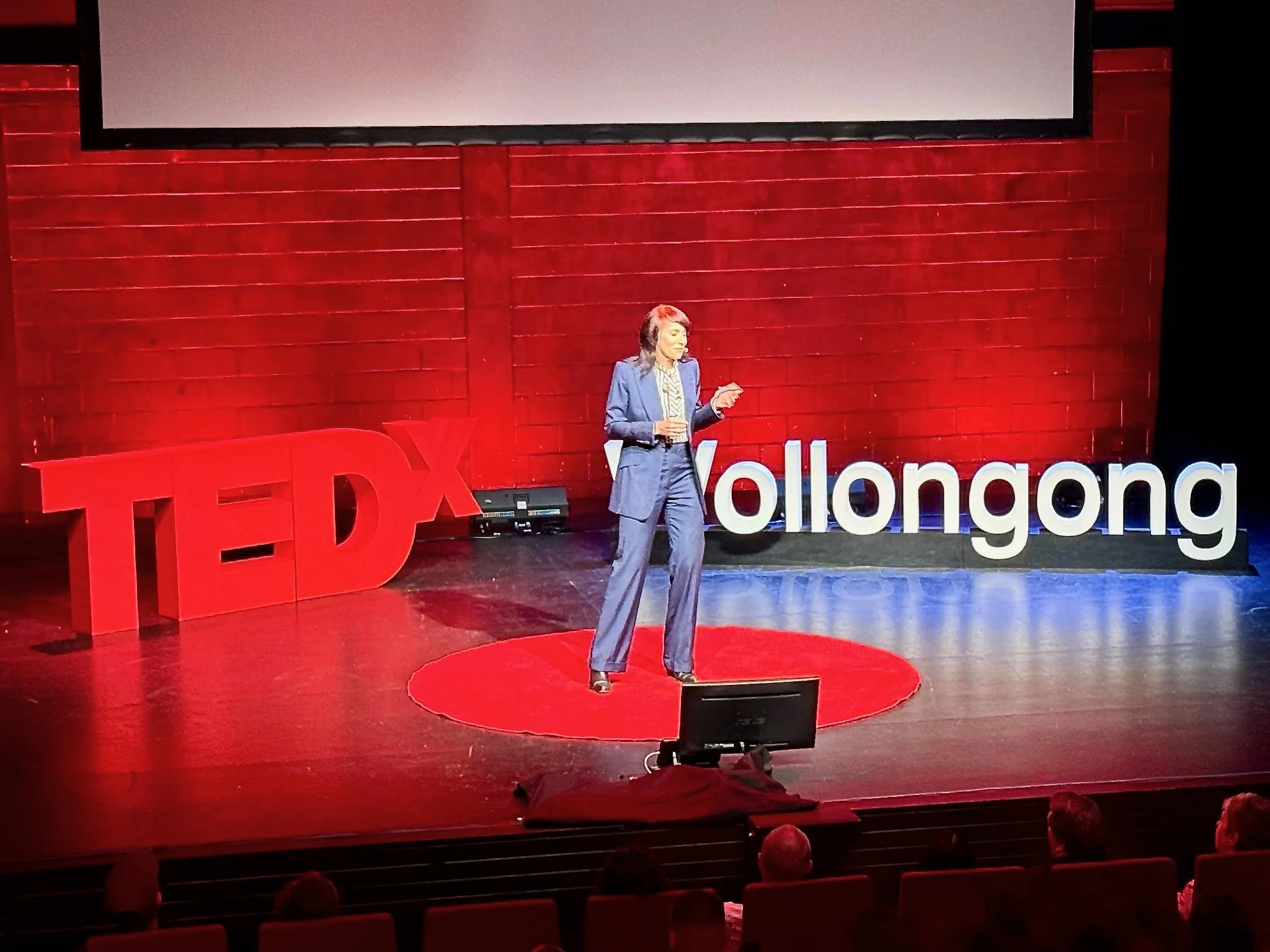
Dr Meghan Dares delivering her TEDxWollongong talk on healthspan, movement and the role of orthopaedics in helping people stay active as they age.
The Moment Most People Miss
In clinic, I rarely see decline start with a catastrophic injury.
Instead, it begins with small changes.
A sore heel that stops someone walking as far as they used to.
A knee that swells after sport.
An Achilles tendon that never quite settles.
And gradually, people adapt.
The longer walks stop.
Sport becomes occasional.
Dancing becomes something they “used to do.”
Not because someone told them to stop.
Not because it was impossible.
But because it became uncomfortable … or easier not to.
And the body responds.
Load decreases.
Strength declines.
Pain around joints increases.
A cycle of immobility begins.
Why Movement Matters More Than We Realise
After the age of 40, muscle mass and strength begin to decline unless deliberately maintained.
Even a single week of immobility can reduce muscle strength by around 10%.
Movement is more than fitness.
It protects joints, supports balance and stability, and helps maintain independence as we age.
It also underpins much broader aspects of health — cardiovascular health, metabolic health and cognitive resilience.
Yet when our movement changes, we often ignore the signal.
A Shift in Orthopaedics
Over the past two decades, orthopaedics has undergone a quiet shift.
Traditionally, patients came to see surgeons when joints were already severely damaged and options were limited.
Increasingly, our focus is changing.
The question is no longer simply:
“Can we fix this?”
The question is:
“What do we need to do today so that in five or ten years, you can still move the way you want to move?”
That shift is about recognising the moment when decline begins, and acting before the cycle compounds.
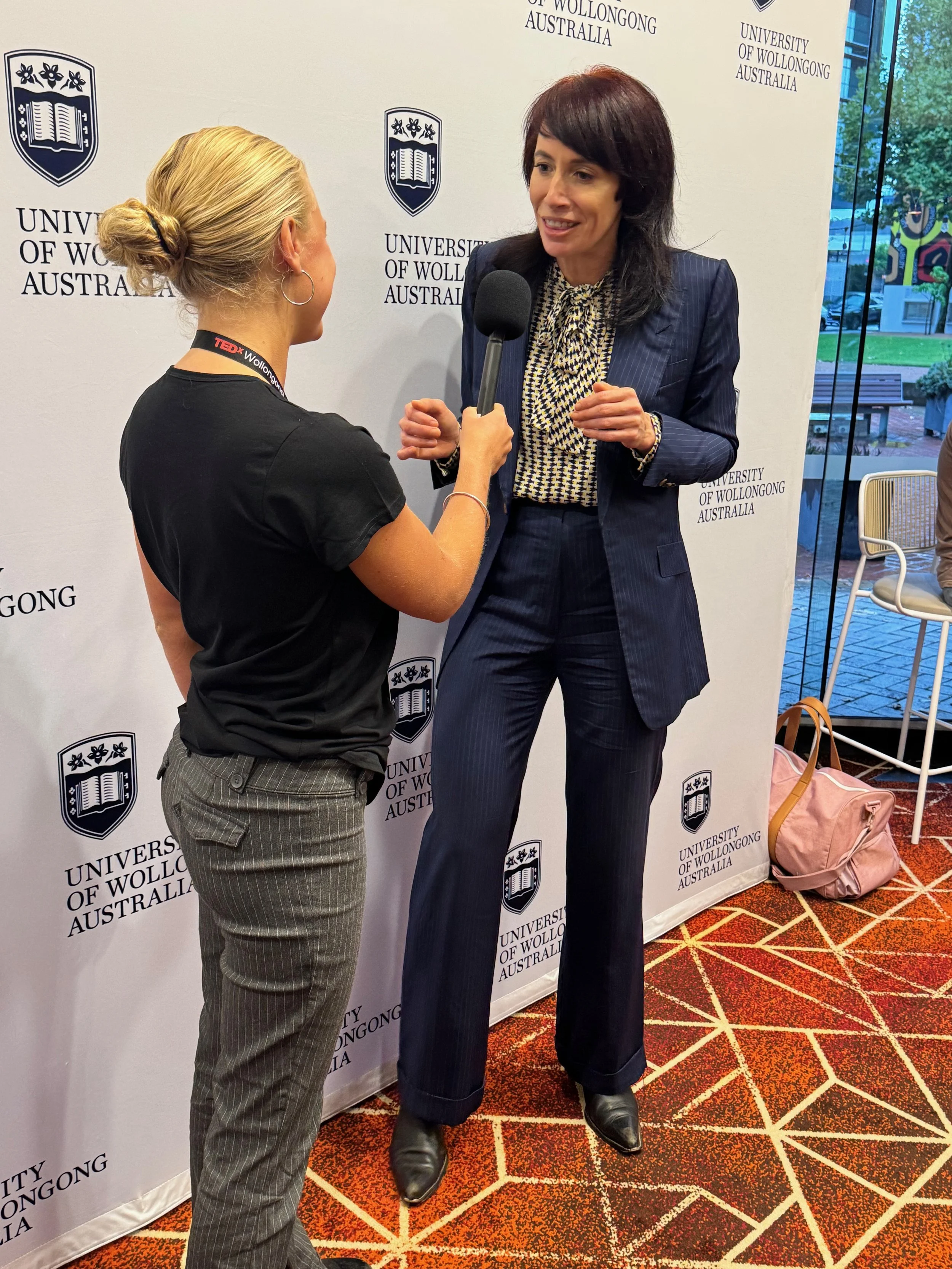
Dr Meghan Dares being interviewed following her opening talk at TEDxWollongong, where she explored the relationship between movement, ageing and healthspan.
When Movement Disappears
Recently, one of my patients came to see me because she could no longer do something she loved … dancing in her living room after the kids had gone to sleep.
It may sound trivial.
But it represented something much bigger.
When movement disappears from our lives, our world gradually becomes smaller.
First it’s sport.
Then the longer walks.
Later, everyday activities become harder.
And by the time many people seek help, they’re not just managing a sore joint they’re managing a smaller life.
The Reflex We Already Have
Interestingly, we already understand the importance of early action in other areas of health.
In Australia, we grow up knowing that if a mole changes, you act.
If it grows.
If it darkens.
If it becomes irregular.
You don’t wait.
You see a doctor.
Because we understand that change can signal risk.
But when our movement changes, we hesitate.
We stop running.
We avoid the stairs.
We give up activities we once loved.
And often, we simply adapt.
Yet declining mobility is often the earliest signal that something needs attention.
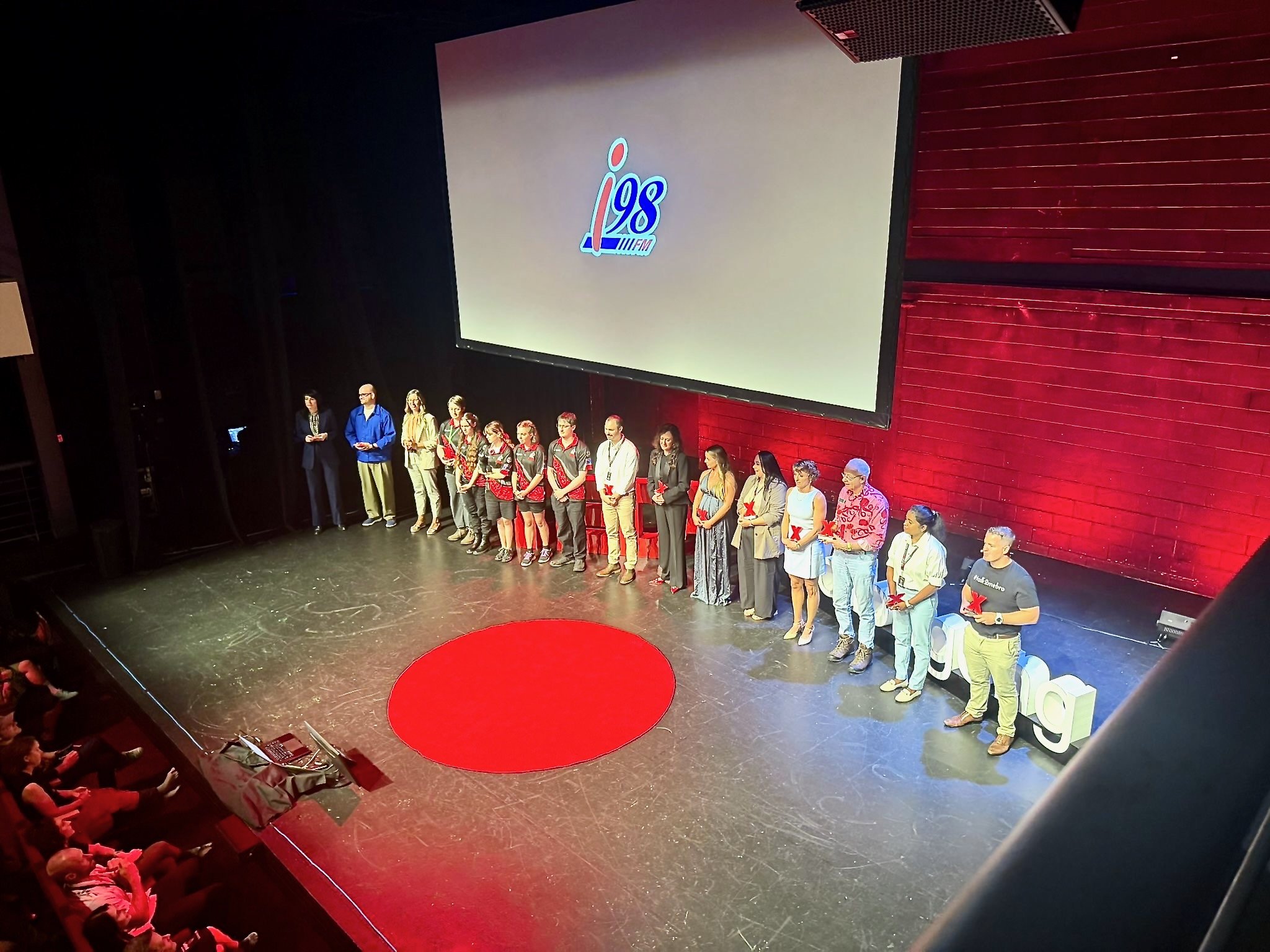
Dr Meghan Dares with fellow speakers at TEDxWollongong 2026 following a day of talks exploring ideas shaping the future.
Protecting Healthspan
The first thing most of us lose as we age isn’t life.
It’s mobility.
And mobility determines how much of life we get to live.
We taught a nation to check its skin.
Perhaps it’s time we also teach a nation to protect its movement.
Because when we protect movement, we protect independence.
And that may be one of the most important determinants of how well we live the years we are given.
If your movement changes, whether it’s walking, running, climbing stairs or returning to sport, it’s worth understanding why. Early assessment can often prevent years of gradual decline.
To make a booking at Joint Vision click here