
Older adult care
More Than the Operation: Rethinking Surgery for Older Patients
Perioperative physician and geriatrician Dr Sheila Rahman on why the questions that matter most before surgery are often about the person rather than the operation.
Back to Insights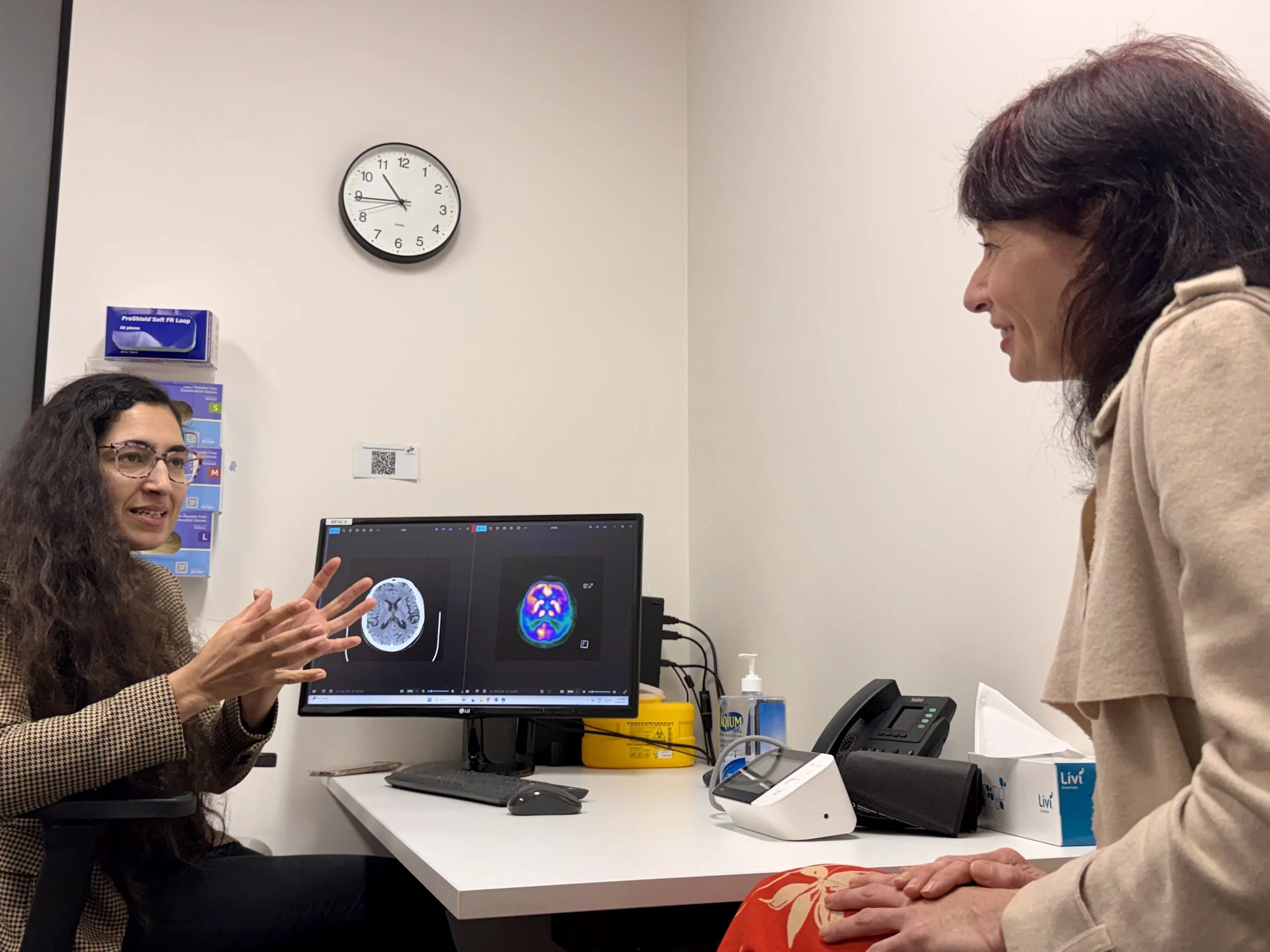
June 29, 2026
Written by
Joint Vision
When families face surgery for an ageing parent, the questions are usually about the operation itself. Will it work? How long is recovery? When can Mum or Dad come home? According to perioperative physician and consultant geriatrician Dr Sheila Rahman, those are not always the questions that matter most.
A lot of the time it's actually not about the operation itself. It's about the person in front of you. What will recovery look like? What matters most to them? And sometimes it's about making sure surgery is the right decision in the first place.
Looking after the whole person
Many people have never heard of a geriatrician until an ageing parent or grandparent needs one, and the role is not about treating old age. Geriatricians care for older adults with complex medical needs, helping them maintain independence, function and quality of life. That can mean assessing memory concerns, preventing falls, reviewing medications, coordinating rehabilitation or preparing someone for major surgery. The common thread is a focus on the person, not a single condition.
We don't have a cookie-cutter approach. Every patient is different, and every decision has to be centred on what that person wants and what gives them the best quality of life.
Why surgery is different for older adults
Older Australians are living longer, with many active and independent well into their 80s and 90s. Ageing also brings complexity: chronic conditions, multiple medications, frailty, memory problems and social circumstances can all shape how someone recovers from surgery. That is where perioperative medicine comes in, a field focused on optimising patients before, during and after an operation to reduce complications and support safe recovery.
I realised this was where I could make the biggest difference. You see the impact almost immediately, helping patients navigate decisions, preparing them for surgery, supporting them afterwards, and working with the whole team to improve outcomes.
More than a surgeon, more than a physician
You can't practise perioperative medicine without multidisciplinary care. Healthcare is still very siloed, even though we're told not to be.
For patients it means decisions are shaped by several perspectives. Rather than simply asking whether a knee or hip can be replaced, the conversation widens: would non-surgical options serve the patient better, or would surgery offer only limited benefit? Will they cope with surgery? How can they be medically optimised beforehand? What support will they need afterwards? Will the operation genuinely improve their independence and quality of life? These are often the questions that determine success.
Becoming an advocate
One word comes up repeatedly: advocacy. Older patients are often managing multiple conditions, complex family situations and difficult decisions. Some live with cognitive impairment; others face hearing or vision loss, language barriers or limited family support.
You really have to be that patient's advocate. First and foremost, age should not be a barrier to considering treatment, or even having the conversation. Sometimes surgery is beneficial, sometimes it isn't. Every patient deserves an informed choice.
Challenging the myths about ageing
I always tell people that dementia is not normal ageing. Frailty doesn't mean someone is old, and being old doesn't mean someone is frail.
Dr Rahman has cared for a patient over 100 who was living independently at home, taking no regular medications and walking with a stick, while others decades younger have been left significantly frail by chronic illness.
Age on its own tells you very little. You really have to get to know the patient before making decisions that could change their life.
The future of caring for older Australians
As Australia's population ages, caring well for older patients means treating the whole person, not a single condition. The operation is only one chapter; helping people recover well, stay independent and keep living the life they value is what matters most.
About Dr Sheila Rahman
Dr Sheila Rahman is a perioperative physician and consultant geriatrician providing specialist care for older adults, with subspecialty expertise in orthogeriatrics, perioperative medicine and rehabilitation, alongside the management of complex, acute and general medical conditions. She holds a Master of Perioperative Medicine and an ANZCA Chapter of Perioperative Medicine qualification. She has established a clinic for older patients being considered for surgery, and her redesign of orthogeriatric services has received local and national recognition. She is an examiner for the ANZCA Chapter of Perioperative Medicine program, a senior clinical lecturer at the University of Wollongong Graduate School of Medicine, and an examiner for the Royal Australasian College of Physicians.
Dr Rahman leads Compass Geriatrics, a specialist service that works with Joint Vision. You can read more about older adult and perioperative care.
Information on this website is general and may not apply to your circumstances. It does not replace individual clinical advice. If you have a health concern, use the relevant care pathway or speak with a qualified health professional. Seek urgent help for severe or rapidly worsening symptoms or a possible emergency.
What to do next